Wisdom teeth cause trouble when there is no room for them. The usual result is repeated infection of the gum over a partly erupted tooth, decay in the tooth in front, or pain and swelling that keeps returning. When that pattern sets in, removal is the sensible answer, and the earlier it is done the easier it tends to be.
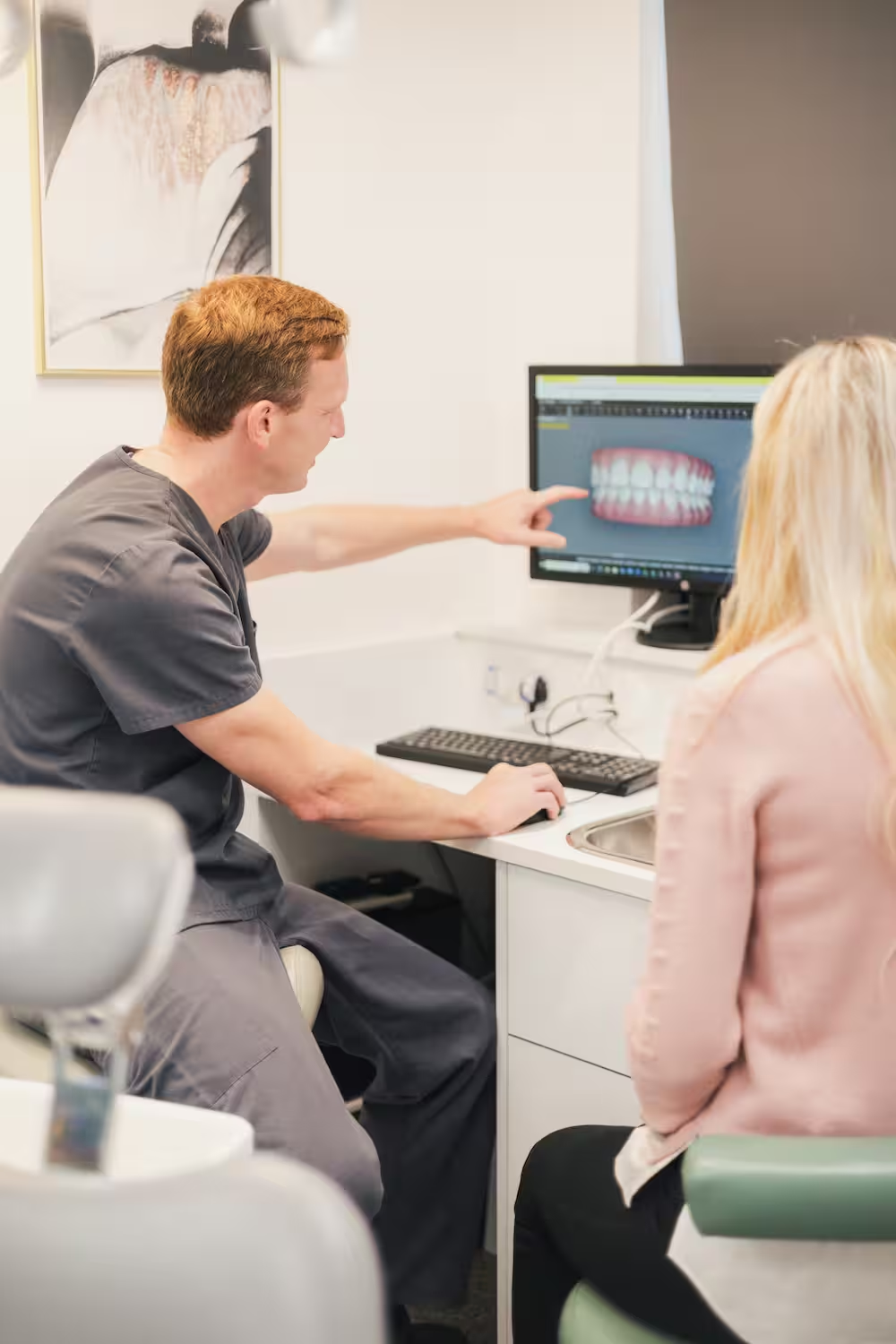
The assessment is where the value lies. An X-ray, and sometimes a 3D scan, shows me the shape of the roots and how close they sit to the nerve, which decides whether the tooth can be removed here under local anaesthetic, whether sedation is the better route, or whether you are best seen by an oral surgeon. You get an honest recommendation, not a one-size-fits-all approach.
“Not every wisdom tooth needs to come out, but the ones that keep getting infected always do.”
— Dr. Murray Pratt, Principal Dentist & Clinical Director
My recommendationIf a wisdom tooth has flared up more than once, have it assessed now rather than waiting for the next episode. Each infection makes the tissues more inflamed and the eventual removal less comfortable.
Questions patients ask me
How long is recovery?
Most patients are back to normal activities within a few days for a simple removal and about a week for a surgical one. Soft foods for the first day or two, no straws or vigorous rinsing, and the swelling peaks around day two before it settles.
Do all four need to come out at once?
Not necessarily. We remove the ones causing problems or likely to, and leave healthy, fully erupted wisdom teeth alone.
Will I need someone to drive me home?
With local anaesthetic only, you can drive yourself. If you have sedation or a general anaesthetic you will need someone to take you home, and we discuss the options at the assessment.







.png)